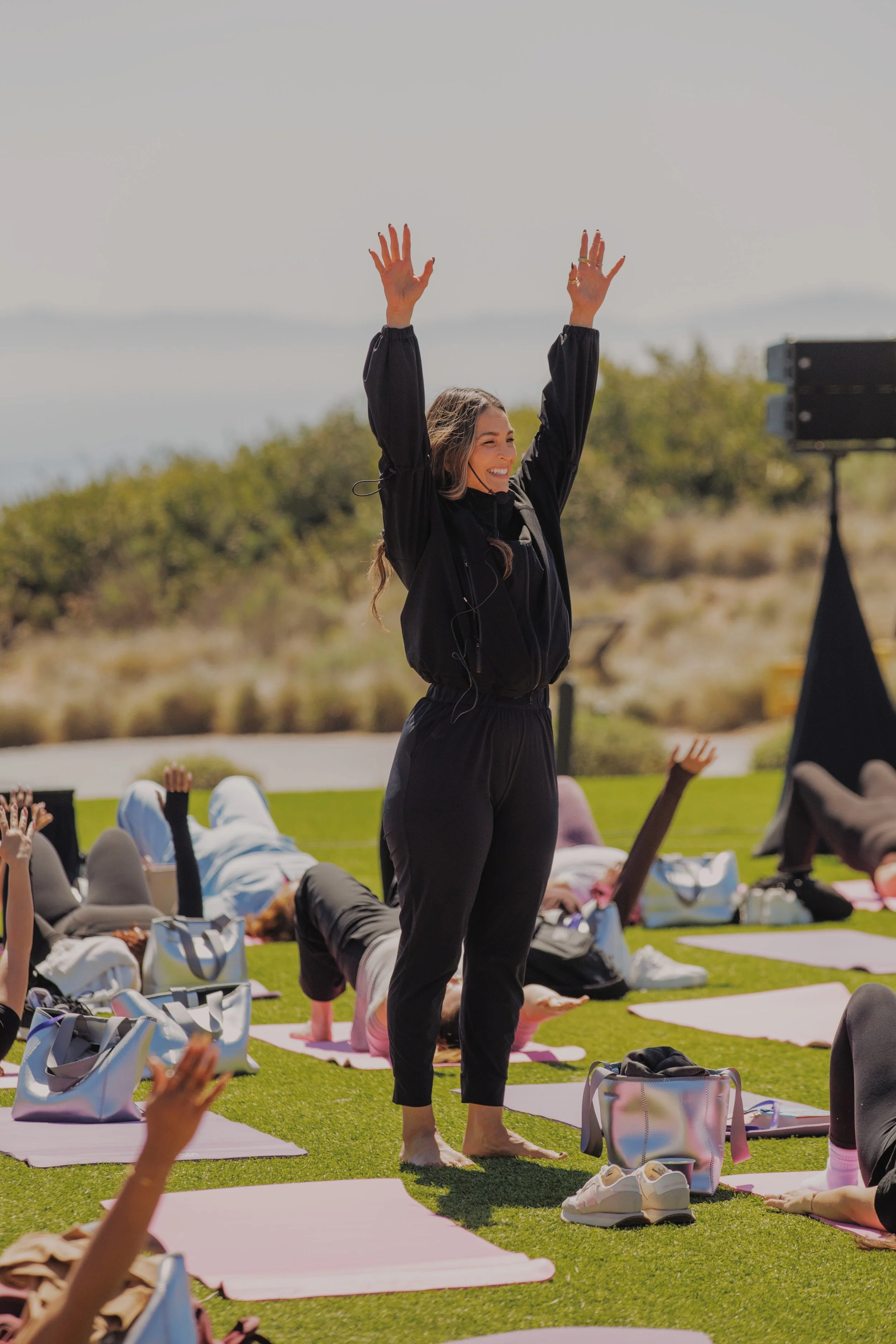
Rosie Acosta speaking at the FEMME wellness event hosted by Michelle Mosqueda, sharing mindfulness practices for emotional resilience, burnout recovery, and mental well-being.
Breathing Exercises • Mindfulness • Nervous System Regulation
Breathing Exercises
Breathing exercises are intentional breathing techniques that help regulate the nervous system, reduce stress, improve focus, and support emotional well-being.
Through mindful breathing, you can create moments of calm, reconnect with your body, and build greater resilience during anxiety, burnout, stress, and life transitions.
What Are Breathing Exercises?
Breathing exercises are intentional breathing techniques used to calm the nervous system, reduce stress, improve emotional regulation, and support overall mental well-being. Common breathing exercises include box breathing, belly breathing, grounding breaths, and slow exhale techniques.
Because the breath is always available, breathing exercises are one of the simplest mindfulness tools for creating calm, focus, and emotional balance in everyday life.
Why Breathing Matters
When we feel stressed, anxious, or overwhelmed, breathing often becomes shallow and rapid. Intentional breathing can help slow the body’s stress response and bring attention back to the present moment.
Benefits may include:
Simple Breathing Exercises
Box Breathing
Inhale for 4 counts, hold for 4 counts, exhale for 4 counts, and hold for 4 counts. Repeat for several cycles.
4–6 Breathing
Inhale through the nose for 4 counts, then exhale slowly for 6 counts. Lengthening the exhale can help encourage relaxation and nervous system regulation.
Belly Breathing
Place one hand on your chest and one on your abdomen. As you inhale, allow your belly to expand. As you exhale, allow your belly to soften. Practice for 2–5 minutes.
Grounding Breath
Pause, take a slow inhale, and take a slow exhale. Notice what you see, hear, and feel. This practice can help create presence during stressful moments.
Breathing Exercises for Anxiety
When anxiety increases, breathing often becomes shallow and rapid. Mindful breathing can help slow racing thoughts, reduce physical tension, improve emotional awareness, and create a greater sense of calm.
Even one or two minutes of intentional breathing can support nervous system regulation.
Breathing Exercises for Burnout & Stress
Breathing practices can be especially helpful during periods of emotional exhaustion and chronic stress. When practiced consistently, mindful breathing can create moments of rest, recovery, and emotional balance throughout the day.
Explore Related Mindfulness Resources
Continue Learning
Frequently Asked Questions
Breathing Exercises FAQ
How often should I practice breathing exercises?
Even a few minutes each day can be beneficial. Consistency is often more important than duration.
Can breathing exercises help anxiety?
Many people find breathing exercises helpful for calming the nervous system and reducing feelings of stress and overwhelm.
What is the best breathing exercise for beginners?
Box breathing and simple belly breathing are often effective starting points.
How long should breathing exercises last?
Many practices can be completed in 1–5 minutes, though longer sessions may also be beneficial.
Can breathing exercises calm the nervous system?
Yes. Slow, intentional breathing can help activate the body’s relaxation response and support nervous system regulation.
Work With Rosie
If you're navigating anxiety, burnout, stress, or a major life transition, Rosie offers mindfulness-based mental health coaching designed to help you cultivate greater clarity, resilience, confidence, and emotional balance.
Virtual coaching sessions are available worldwide in both English and Spanish.
Schedule a Discovery CallContinue the Conversation
Join Rosie’s Community to receive personal essays, mindful reflections, and practical wisdom for navigating anxiety, burnout, life transitions, and midlife — delivered directly to your inbox.
Join the Community →