Burnout Recovery • Mindfulness • Emotional Resilience
Burnout Recovery
Burnout recovery is the process of restoring emotional, mental, and physical well-being after prolonged stress, overwhelm, or exhaustion.
Through mindfulness, breathing practices, self-compassion, and emotional resilience tools, recovery can become a path back to clarity, balance, and sustainable energy.
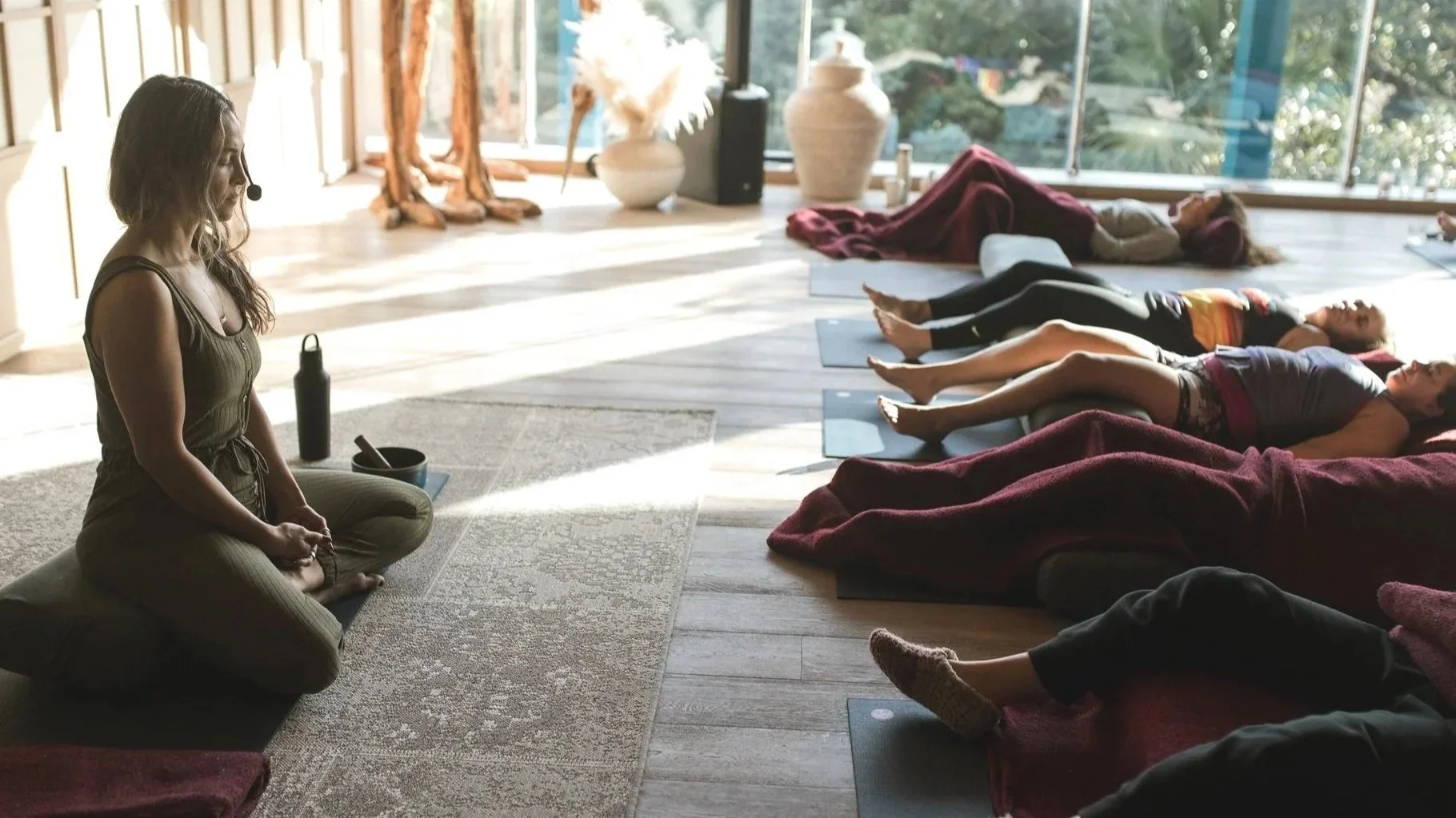
Rosie Acosta guides a mindfulness meditation on burnout recovery and emotional resilience during Wanderlust Palmaia in Mexico.
What Is Burnout?
Burnout is a state of emotional, physical, and mental exhaustion that can develop after prolonged periods of stress, responsibility, or overwhelm.
It can affect professionals, caregivers, parents, entrepreneurs, students, and anyone navigating sustained pressure without enough rest, support, or recovery.
Common Signs of Burnout
Mindfulness · Stress · Recovery
How Mindfulness Supports Burnout Recovery
Mindfulness supports burnout recovery by helping you slow down, notice what your body and mind need, and develop a healthier relationship with stress, responsibility, and rest.
Practices · Rest · Boundaries
Mindfulness Practices for Burnout Recovery
Conscious Breathing
Intentional breathing practices can help regulate the nervous system and reduce stress responses.
Mindful Rest
Recovery requires intentional periods of rest, restoration, and nervous system regulation.
Self-Compassion
Burnout often creates self-criticism. Self-compassion supports recovery through kindness rather than judgment.
Healthy Boundaries
Mindfulness increases awareness of personal needs and can support healthier boundaries in work and relationships.
Recovery · Pacing · Self-Compassion
Recovery Is Not About Pushing Through
Many people feel pressure to return to productivity as quickly as possible. Sustainable burnout recovery often requires slowing down, listening to your needs, and creating practices that support long-term well-being.
Healing from burnout is not a sign of weakness. It is often an invitation to create a healthier and more sustainable way of living.
RESEARCH · BURNOUT · MINDFULNESS
Understanding Burnout & Recovery
Burnout is more than simply feeling tired after a difficult week. The World Health Organization describes burnout as an occupational phenomenon resulting from chronic workplace stress that has not been successfully managed.
What Burnout Can Look Like
According to the World Health Organization, burnout is characterized by three dimensions: feelings of energy depletion or exhaustion, increased mental distance or negativity toward one's work, and reduced professional effectiveness.
The WHO classifies burnout as an occupational phenomenon rather than a medical condition. Experiences commonly described as burnout may also overlap with stress, anxiety, depression, sleep difficulties, and other physical or emotional concerns.
Where Mindfulness May Help
Research has explored mindfulness-based programs as one possible supportive approach for people experiencing workplace stress and burnout. Some studies have found improvements in measures such as emotional exhaustion and perceived stress, although results vary across populations and programs.
Mindfulness does not remove the circumstances contributing to burnout. Instead, practices such as meditation, breathing awareness, and present-moment attention may help some people develop greater awareness of stress patterns, create space between stress and reaction, and support emotional well-being while broader sources of chronic stress are addressed.
AN IMPORTANT DISTINCTION
Burnout can share symptoms with mental and physical health conditions, but they are not necessarily the same thing. Persistent exhaustion, significant changes in mood or sleep, difficulty functioning, or other concerning symptoms should be discussed with a qualified healthcare or mental health professional.
Explore More
Related Mindfulness Resources
FREQUENTLY ASKED QUESTIONS
Burnout Recovery FAQ
What is the difference between stress and burnout?
Stress often involves feeling overwhelmed by too much pressure. Burnout is more closely associated with prolonged, unmanaged stress and may involve exhaustion, increased mental distance or negativity toward one’s work, and reduced professional effectiveness.
Is burnout a mental health condition?
The World Health Organization classifies burnout as an occupational phenomenon rather than a medical condition. Burnout can share symptoms with anxiety, depression, sleep difficulties, and other health concerns, so persistent or severe symptoms should be discussed with a qualified healthcare or mental health professional.
Can mindfulness help with burnout?
Mindfulness may be a helpful supportive practice for some people experiencing burnout. Practices such as meditation, breathing awareness, and self-compassion can help build awareness of stress patterns and support emotional well-being, but they do not replace addressing the circumstances contributing to chronic stress.
How long does burnout recovery take?
There is no single timeline for burnout recovery. The process can vary depending on the sources and duration of chronic stress, individual circumstances, available support, and whether the conditions contributing to burnout can be changed.
What are the first signs of burnout?
Early signs may include persistent exhaustion, irritability, difficulty concentrating, reduced motivation, sleep disruption, feeling emotionally drained, or becoming increasingly detached or negative about work.
Work With Rosie
Support for Burnout, Stress & Emotional Recovery
If you're experiencing burnout, chronic stress, emotional exhaustion, or feeling overwhelmed by life's demands, Rosie offers mindfulness-based coaching to support greater resilience, clarity, balance, and well-being.
Work With RosieContinue the Conversation
Join Rosie’s Community to receive personal essays, mindful reflections, and practical wisdom for navigating anxiety, burnout, life transitions, and midlife — delivered directly to your inbox.
Join the Community →